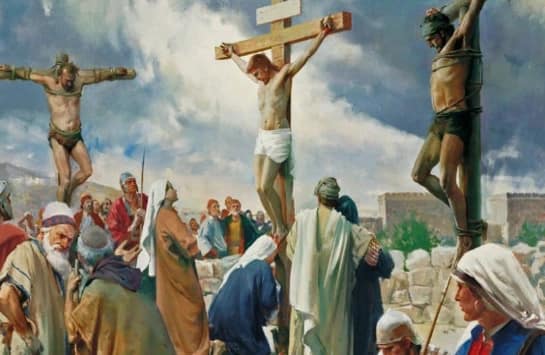
Why Jesus Died Faster Than the Other Two Men on the Cross
I admit right away that I’m not a big believer and I don’t know the Bible inside out. But I’ve often heard from people who read it every day that one detail in the crucifixion story always seemed strange to them.
According to the Gospel of John, Jesus died before the two criminals who were executed with him. The Roman soldiers didn’t break his legs because he was already dead. For centuries this raised questions — because people could normally survive on the cross for days, sometimes even longer.
A new medical study published in the International Journal of Health Science (2026) tried to find a possible answer. The researchers looked at what crucifixion actually does to the human body.
They say several things probably hit at once. The position on the cross makes it extremely hard to breathe properly — basically suffocation. The brutal flogging before the crucifixion caused heavy blood loss, which can lead to shock. On top of that, extreme dehydration and the beatings likely triggered problems with blood clotting. All of this together, they believe, caused his heart and lungs to fail.
I remember wondering about that myself when I first read the study. It’s one thing to hear “he died quickly,” but when you see the actual medical reasons listed like that… it hits different.
Of course, we’ll never know the exact cause with 100% certainty — it was two thousand years ago. But what’s interesting is that the study shows the Gospel accounts actually line up with real medical science. The soldiers saw he was already dead, so they didn’t break his legs. That small detail suddenly makes a lot more sense.
For me personally, it doesn’t take anything away from the story. If anything, it makes the human suffering feel even more real.
Sources: International Journal of Health Science, 2026 study on the physiology of crucifixion. Gospel of John, Chapter 19.
I previously wrote about the latest archaeological excavations in England. Archaeology students from Cambridge University discovered the remains of Vikings. Their bones bore clear signs of violence.