One-Eyed Ancestor 600M Years Ago: Origin of All Vertebrate Eyes
Scientists from Sweden and the UK have made a stunning discovery: every vertebrate on Earth — including humans, fish, birds, and mammals — shares a common ancestor that had just one eye. This tiny, worm-like “cyclops” lived in ancient seas around 600 million years ago and looked nothing like the animals we know today.
Researchers from Lund University in Sweden and the University of Sussex in the UK published their groundbreaking findings in the journal Current Biology in February 2026. Led by Professor Dan-E. Nilsson, the team shows that this primitive creature spent its life quietly filtering plankton from seawater. It stayed mostly in one place and had a single light-sensing organ right on top of its head — a true median eye.
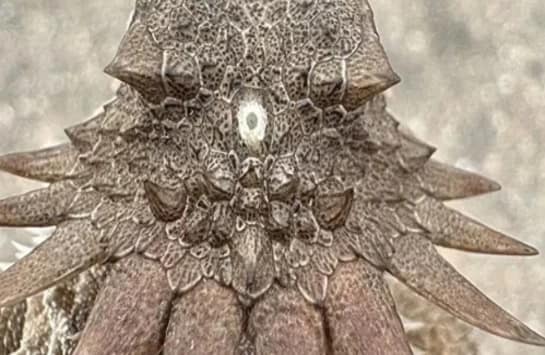
Over millions of years, that single eye gave birth to the paired eyes we all have today. At the same time, parts of the original eye moved deep inside the brain and became the pineal gland — the same small organ that still controls our sleep-wake cycle by releasing melatonin when it gets dark.
How the One-Eyed Ancestor Changed Everything About Vertebrate Vision
This new research completely flips the old idea of how eyes evolved. Scientists used to think vertebrate eyes developed separately from insect or mollusk eyes. Now we know the vertebrate retina actually grew out of brain tissue, not skin. That’s why our eyes look and work so differently from compound eyes in flies or camera eyes in octopuses.
The ancient cyclops lost its side eyes after switching to a slow, burrowing lifestyle. The central eye stayed and later split into the left and right eyes we use for sharp vision. This explains why the pineal gland in your brain still reacts to light even though it sits deep inside your skull — it’s the direct leftover from that 600-million-year-old median eye.
“It’s mind-boggling that our ability to fall asleep at night still comes from the cyclops eye of a distant ancestor,” says lead researcher Dan-E. Nilsson. The discovery helps explain many mysteries in brain and eye development and shows how lifestyle changes can reshape entire sensory systems.
Today this finding opens exciting new doors for understanding evolution, vision problems, and even sleep disorders. It proves once again that the story of life on Earth is far more surprising than we ever imagined.
Source: Current Biology (February 2026) and Lund University official announcement