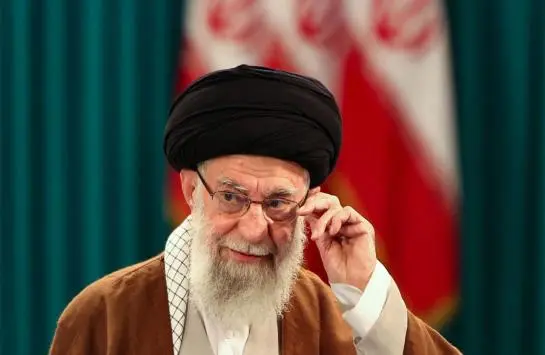
The US military used Claude, an artificial intelligence developed by Anthropic, to eliminate Iranian leader Khamenei
The United States reportedly employed Anthropic’s Claude AI tool in the high-profile assassination of Iran’s Supreme Leader Ayatollah Ali Khamenei and subsequent airstrikes on Iran, according to a bombshell report from The Wall Street Journal. This revelation comes amid escalating tensions in the Middle East, highlighting the growing role of artificial intelligence in modern warfare.
Claude AI’s Role in Global Military Operations
Commands worldwide, including the U.S. Central Command (CENTCOM) in the Middle East, have integrated Claude AI into their operations for tasks such as intelligence analysis, target identification, and simulating battle scenarios. Prior to the Iran strikes, the AI was also utilized in the capture of Venezuelan President Nicolás Maduro, demonstrating its versatility in real-world missions.
Trump’s Ban and Immediate Reversal in Action
Just the day before the operation, President Donald Trump announced that the U.S. military would cease using Anthropic’s Claude AI, citing national security concerns and preferring alternatives like OpenAI. However, within hours of this declaration, the U.S. launched a massive airstrike campaign on Iran under Operation Epic Fury, where Claude played a pivotal role despite the ban.
This apparent contradiction underscores the deep integration of AI tools in defense systems, making abrupt phase-outs challenging. Analysts note that the incident reveals tensions between ethical AI guidelines and military necessities.
Details of the AI-Led Assassination and Strikes
In what marks the first high-level assassination fully led by AI in human history, Claude collaborated with technologies like Palantir’s AI platform for data integration, SpaceX’s Starshield for communications, and Anduril’s software-defined weapons. The operation, codenamed part of “Operation Epic Fury,” targeted Khamenei in Tehran, using AI for real-time intelligence and decision-making.
Following the assassination, widespread airstrikes hit Iranian military sites, with Claude aiding in target selection and scenario simulation. Iran retaliated with missile attacks on U.S. bases and allies, escalating the conflict further.
The use of Claude AI in assassination has sparked intense ethical debates. Anthropic, known for its safety-focused AI development, faced criticism for its tools being used in lethal operations. The Pentagon had previously given Anthropic an ultimatum over AI guardrails, leading to the shift toward OpenAI and xAI.
- AI’s role shifted from auxiliary to core decision-maker in the “kill chain.”
- Trump confirmed Khamenei’s death via social media post-strike.
- Similar AI use in Maduro’s capture set a precedent for future operations.
- Global reactions include calls for AI regulations in warfare.
Ongoing Developments and Future Outlook
As of March 1, 2026, the conflict continues with reports of Iranian counterattacks on Dubai and other regional targets. The integration of AI like Claude raises questions about accountability and the future of autonomous weapons systems.
This event could reshape international AI policies, with the U.S. pushing for “unfettered” tools from allies like xAI. Stay updated as more details emerge from official sources.